Jump to content

TRC Timberworks

Subscribe to our blog!

Posts Tagged ‘Family’

  • 23 September 2012

    You’re Never Too Young (Or Too Old!)

    Never Too Young

    Whenever someone says they are “too old” or “too young” for something, I wonder if the reason for it is really that they are afraid of failure or even afraid of success!

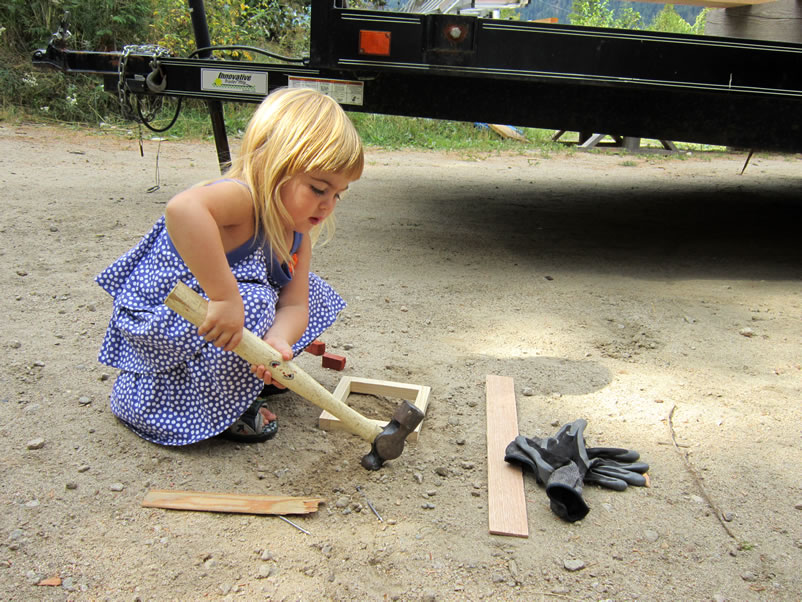
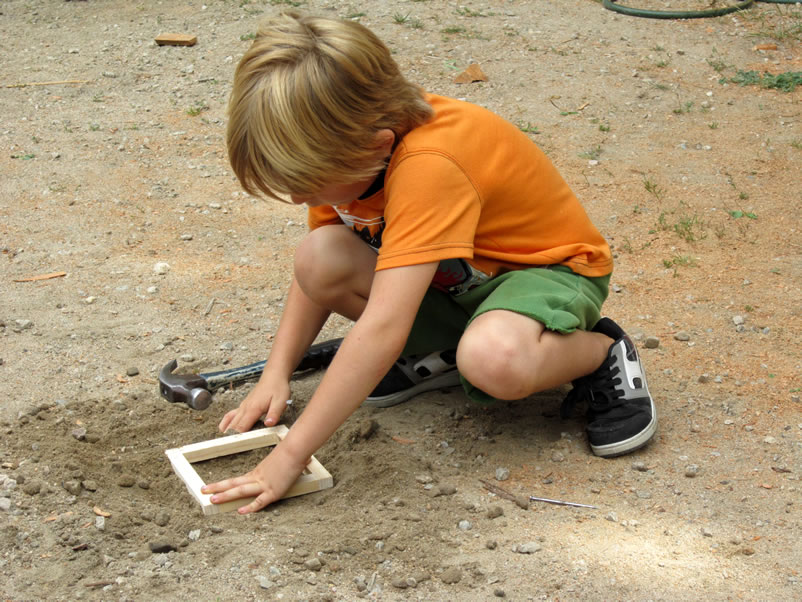
    I have so much admiration for people who are open minded and willing to try something new – at any age. My daughter is not yet three, and there is no concept of “too young” for her. She watches her brother and jumps right in to whatever activity he’s got on the go, from hammering nails into the dirt on the driveway (don’t worry, mom is supervising!), to jumping onto a pile of blankets from a windowsill, to helping with family cooking and cleaning.
    I say, go for it! Whatever you dream of, whatever you’re scared of, take a deep breath and leap. Even your mistakes will be exhilarating, and the amazing possibilities of a life lived fully are infinite.

  • 19 September 2012

    Young Protege

    Young Protege

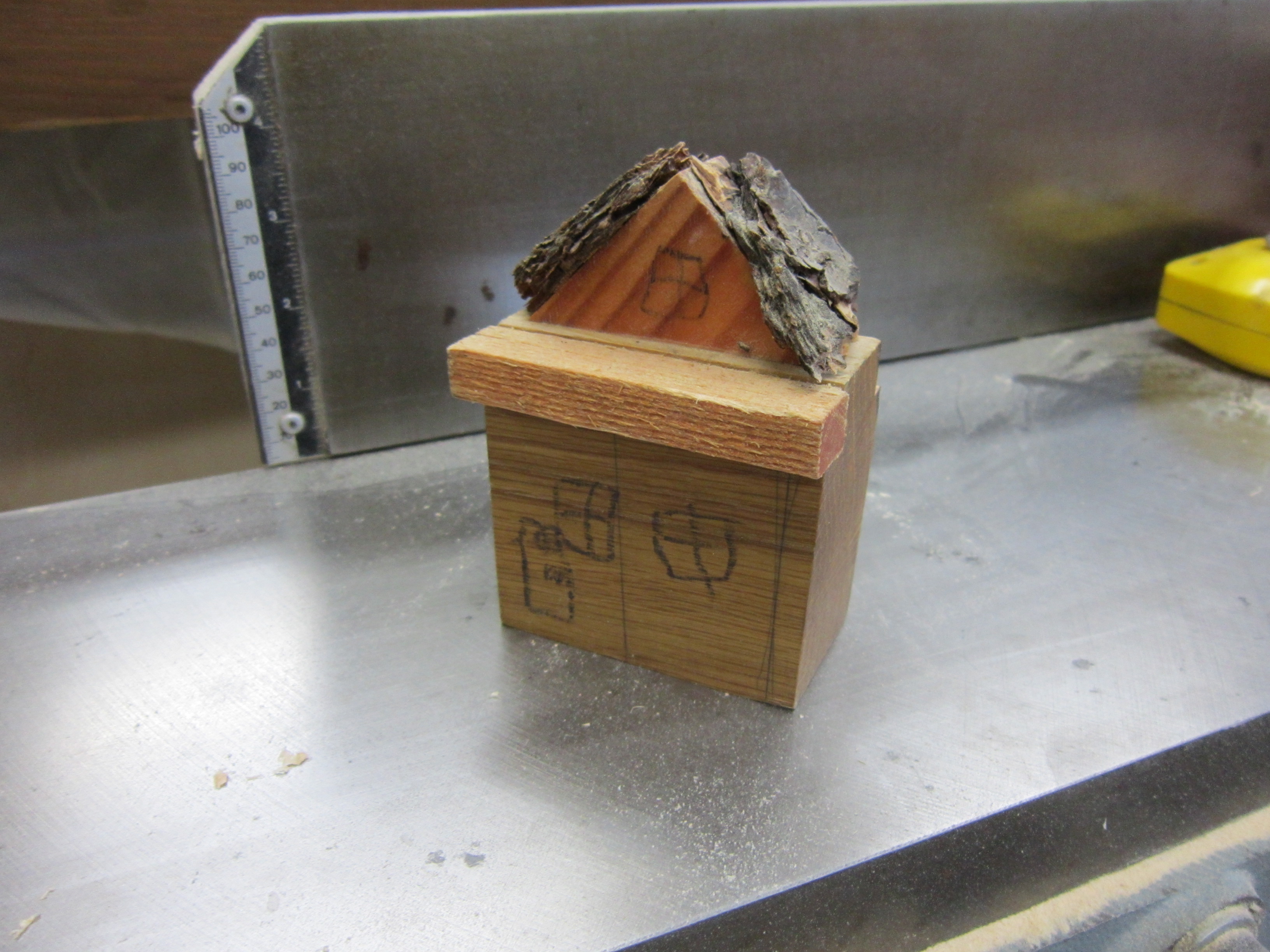
    I love having my son around creating his own wood projects when I am in the shop. He has his own set of tools, and he finds scraps of wood in my recycle bin that fuel his imagination.

    This is how I grew up — hanging around my dad’s shop while he worked on custom cabinetry orders. I didn’t realize until I started my own carpentry and timber framing business how much I picked up just by watching my dad and helping him here and there.
    Every once in a while, though, one of my drills goes missing because my young protege has it to dig a hole in the driveway for his latest project! Smile… ~Tim

  • 5 November 2011

    Happy Worksite

    Happy Worksite

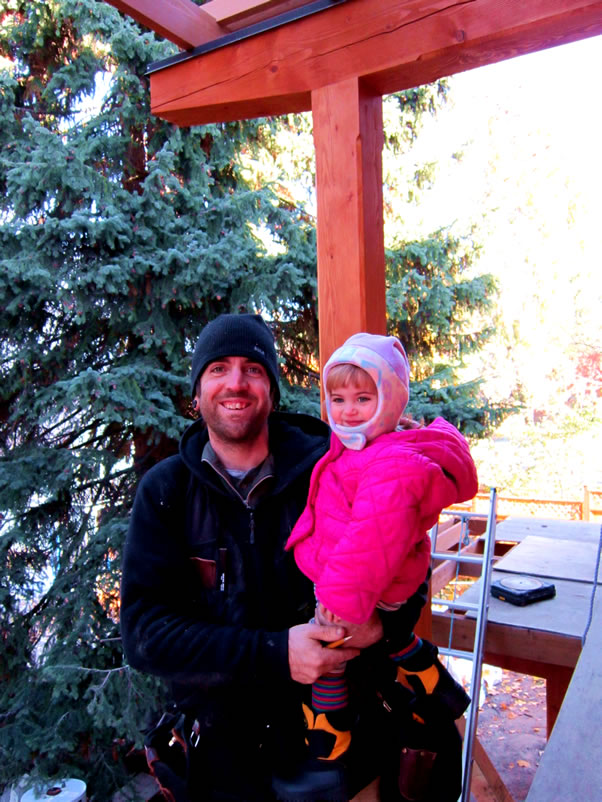
    Yes, the words “Happy” and “Work” can be in the same sentence! Especially when my family visits, and I get a big hug from my sweet daughter.

    One of my goals is to create worksites that are both healthy and enjoyable. A 40 hour work week means we are spending a quarter of our lives at a worksite or office. I am still living while I am working, and I want my life to be purposeful, fulfilling, and enjoyable. So how can I achieve this at the worksite for me and everyone I work with?
    Relationship building. Respectful communication. Safety for everyone on site and visitors (even family!) Healthy practices of using natural materials free of chemicals and pollutants. No smoking on site. Conflict resolution until everyone wins. Satisfaction in interesting and well-crafted projects. Shelter that is a home, not just a building. Personal growth through choice and dedication. A team where everyone is valued and listened to.

    Happy worksites. Shouldn’t this be the norm? I plan to do my best to make it the norm. Will you join me?

    ~Tim

  • 18 October 2011

    CSA (Community Supported Agriculture)

    CSA (Community Supported Agriculture)

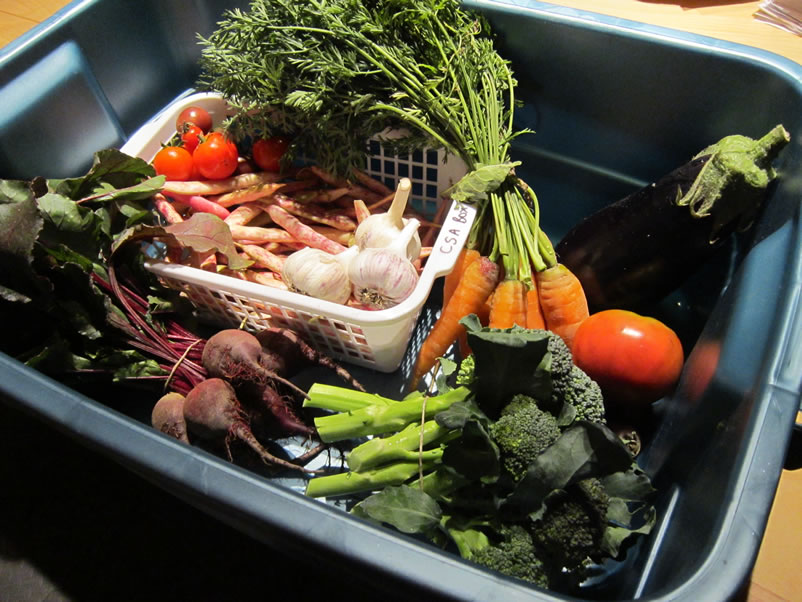
    These beautiful veggies came from a farm close to us that is set up as a CSA, which stands for Community Supported Agriculture. You buy a share in the CSA at the beginning of the season, and you enjoy a box of local, organic, seasonal vegetables each week. The first time I had garden-fresh broccoli (so sweet!), I was completely sold.

    In a time where we get apples shipped from New Zealand, broccoli shipped from California, and zucchini shipped from Mexico, we have become disconnected from our food sources and the people who grow it. These are all foods that grow in Canada, and if we are able to find local produce and shift our diet to be more seasonal, we can enjoy fresh delicious food that was ripened by the sun in the fields rather than by chemicals en route.
    CSA’s were developed to bring farming back to a local and economically viable level. Because produce is purchased directly from the farm, the farmers get a fair price for their efforts, and the consumer gets fresh veggies at very reasonable prices. In a CSA, the members buy a share at the beginning of the season and get a share of the weekly harvest. Members share in the risk that farmers take with the weather, risks which have pushed so many small farmers out of growing food. A bad weather year could mean an average harvest, but the CSA’s we’ve been part have usually provided us with so much food for our share that we’ve been able to freeze some for the winter. They also offer recipes to help find ways to use the variety of heirloom organic veggies, and some help foster a sense of community and connection with potlucks or an option to help with the harvest in exchange for a reduced share cost.

    It’s also been an amazing experience for our kids to see firsthand where their food comes from and how it grows. Broccoli reallys grows like a small bush! Snow peas are really better than candy just out of the garden! And my kids have consistently chosen a fresh baby carrot over any other choice of food. Who could beat that?

    If you want to learn more, here are links to the CSA’s we’ve been part of:

    http://soilmatters.wordpress.com/

    http://crookedhornfarm.ca/

    ~Raina

  • 11 October 2011

    Good Old Fashioned Clothes Line

    Good Old Fashioned Clothes Line

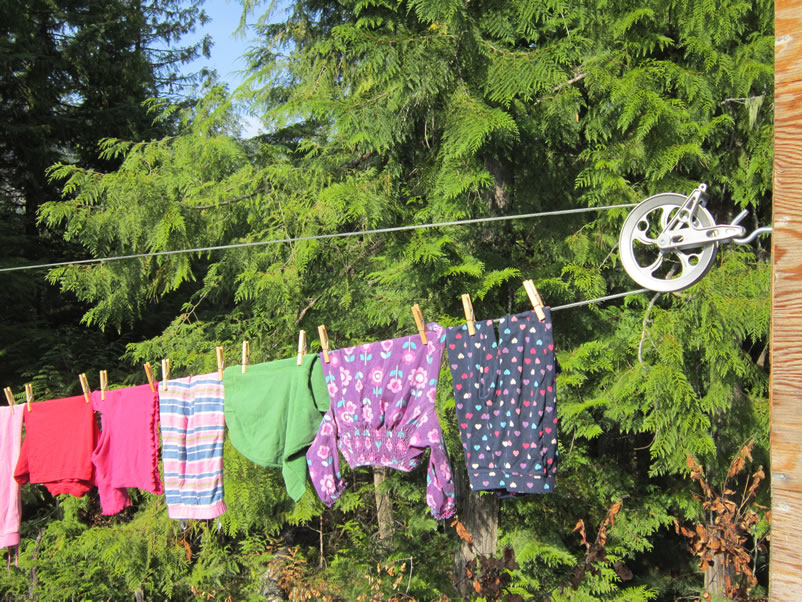
    We put up a clothes line this summer at our new house, and I just had to take a photo of it. How nostalgic as well as environmentally sound is a clothes line!? I love seeing the kids’ clothes lined up together, reminding me of how quickly they grow. And hanging the laundry not only gives me satisfaction because I am reducing electricity use, it also gives me a little space in the day for a peaceful (yet practical!) meditative activity.

    Our modern culture has bought into an idea that everything needs to be sterilized with antibacterial soap or bleach, both of which cause harm to our health. Yet the sun is the original disinfectant and brightening agent, and it is free and easily accessible. Hang out dish cloths that have started to smell, hang cloth diapers that have staining, and hang clothes that you don’t want to shrink in the dryer. And best of all, the old saying is true that sheets which have been hanging on the line smell divine when you lay down to sleep at night.
    There are some sub-divisions and condo or townhouse units that don’t allow “unsightly” clothes lines. I say it’s time to challenge that, since clothes lines are valuable tools for this time of declining oil reserves and rising fuel costs. And they help remind us of those childhood times when slower life gifted us with so many sweet moments.

    ~Raina

  • 8 April 2011

    The (Wood) Sorceror’s Apprentice

    The (Wood) Sorceror's Apprentice

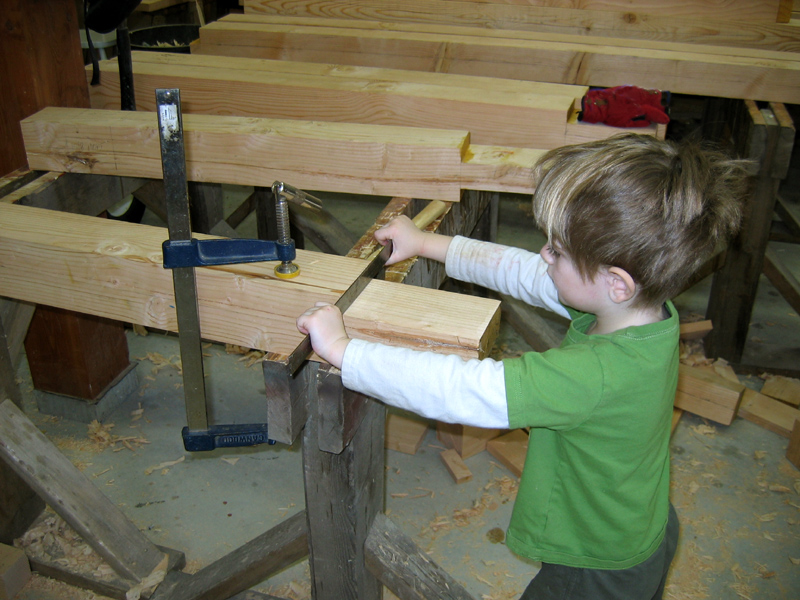
    My very best helper! My son Roghan loves to be in the shop with me. He sucks up every little bit of information he can, very eager to help at every chance he gets.
    Here you can see him making sure that my chisel work on the tenon is straight and square. He’s a tough critic. Makes sure everything is just right!

    So far none of my tools have got up and started trying to work by the apprentice’s magic, (although it might be nice!) But I don’t think Roghan is too far off from spinning his own magic with wood!

  • 28 December 2010

    Local Food – Happy Chickens

    Local Food - Happy Chickens

    If buying our neighbour’s organic eggs can help instill in our children an understanding of health, community, and respect for the environment, then we say – let’s get cracking!

    One goal we have made as a family is to eat food that as much as possible is grown locally, organically, and fosters a sense of connection with the farmers, plants, and animals it comes from. This is a step by step process for us as we learn more about what is good for us and what is good for the earth.

    We are definitely blessed to be living in a place where there is a resurgence of people excited about farming in partnership with the land. And some of our best teachers here have been people who are conscientious about what is or isn’t in their food, how it gets to their table, and what effects on our world have been created along the way.

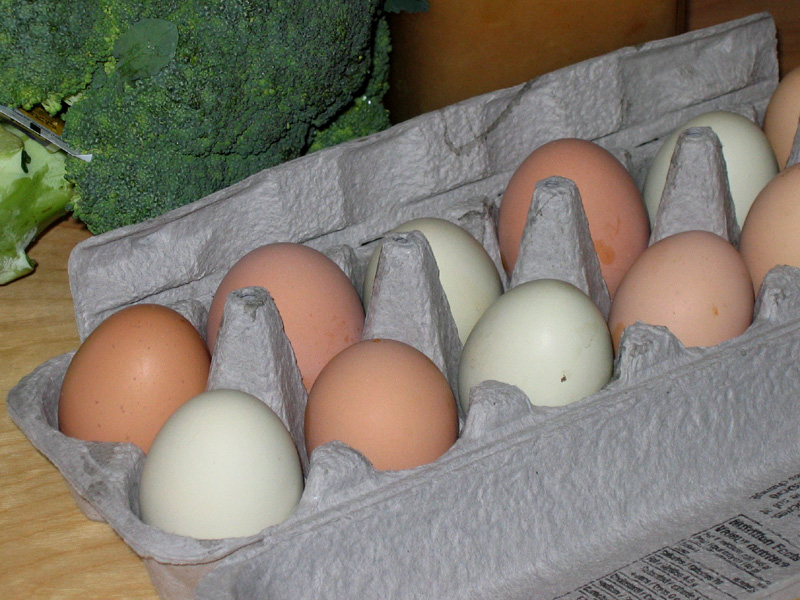
    These beautiful blue and brown eggs are from some hens just up the valley at our friend’s acreage. We’re happy to eat wonderful food and enjoy a greater sense of shared community with our neighbours each time we visit to pick some up!

    A great book that inspired us about local and seasonal food was “Animal, Vegetable, Miracle: A Year of Food Life” by Barbara Kingsolver.

  • 25 July 2010

    Salvaged Timber Fun

    Sandbox

    Timbers salvaged from an old or unused building can be planed and refinished, reducing the ecological footprint of a new project. Here is a fun application for reused timbers: a sandbox!

    Old barns or timber framed buildings may fall into disrepair over time but still have timbers that remain structurally sound. Dismantling and refinishing this wood means fewer live trees are harvested for the construction of a new building.

    As a testament to how long timbers can last when they are protected from weather, there are still timber framed buildings standing and in use in Europe that are 900 years old, and a timber framed temple in Japan is 1300 years old.

    This sandbox was a fun way to reuse some timbers – notice the old peg holes on the corners. The lid (added to keep out the cat!) was built in two parts of 2 feet by 4 feet each, so that our four year old son can easily lift and close the lid sections himself.

  • 20 June 2010

    Diaper Compost Pile

    Diaper Compost Pile

    We chose a corner of our yard to start a compost pile for our compostable diapers. This will be a separate compost pile from the one we use for the kitchen scraps compost that gets added to the garden. Humanure takes longer to compost to ensure safety from pathogens.

    We have a small indoor garbage pail with a lid for the diapers beside the change table, and once it was full, we dumped the lot of them on top of a bed of straw to start. It took over a week to fill the pail, and by the time we put the diapers on the compost pile, the bottom ones had started to mould already.

    A friend who has used a humanure system in her house suggested adding a few kitchen scraps along with the diapers to encourage the decomposition process. Next we shoveled on some composted horse manure to cut the smell for bears and dogs and to add worms and microorganisms. Finally, we raided our straw mulch pile to add some carbon and fiber for air pockets.

    For more details on a humanure system, check out http://www.humanurehandbook.com/
    You can download the Humanure Handbook free in PDF format from the web site, or you can buy an e-book or a paper copy if you would rather.

  • 25 May 2010

    Compostable Diapers

    Compostable Diapers

    We loved using cloth diapers for our son throughout his infancy, and after a bit of minor mending with the sewing machine, the same diapers are keeping our five month old daughter dry. But in the interests of helping her (and us!) sleep better through the night, a compostable diaper works well to help her feel dry and sleep longer.

    We were using a Seventh Generation non-chlorine diaper at night. Then we found compostable diapers at our local natural food store. They are made by a company called Broody Chick out of Victoria, and we were excited to give them a try. Their web site is http://www.broodychick.com/

    The diaper has helped our daughter sleep well at night, and we will soon need to find a spot for a separate humanure compost pile. We also tried the “Junior” size of compostable diapers for our four year old son, as he sometimes needs one at night as well. Bigger kids means more volume, and so far so dry! I’m interested to see how the composting process goes with these diapers.

    The only downside to these diapers that we can see at this point is that the wood pulp fibres are not listed as coming from sustainably harvested sources. An even better option than cloth or compostable diapers would be elimination communication (diaper free), although we haven’t quite figured that one out yet!